Card collecting, a vibrant blend of nostalgia and community, invites enthusiasts into a world filled with stories, strategy, and connection. From the early days of baseball cards to the explosion of trading card games, this hobby has evolved significantly, capturing the hearts of millions and transforming into a cultural phenomenon.
As we delve deeper into the nuances of card collecting, we’ll explore its fascinating history, the various types of cards available, and the vibrant communities that thrive around this pastime. With its impressive growth statistics reflecting its popularity, card collecting continues to attract newcomers and seasoned collectors alike.
Introduction to Card Collecting
Card collecting is a hobby that has transcended generations, intertwining itself with the fabric of sports and gaming culture. It involves acquiring, trading, and displaying sets of collectible cards, which can range from sports memorabilia to trading card games. The significance of this hobby lies not just in the cards themselves, but also in the sense of community and shared passion among collectors.The history of card collecting dates back to the late 19th century when tobacco companies included trading cards in their products to attract consumers.
Over the decades, the hobby has evolved significantly with the introduction of various types of cards and the rise of dedicated trading card games. Today, it is estimated that over 10 million people engage in card collecting worldwide, demonstrating its enduring popularity.
Types of Cards in Collecting
Card collecting encompasses a wide range of categories, each with its unique appeal and characteristics. The main types include:
- Sports Cards: These feature athletes and are often sought after for their historical value and connection to sports culture.
- Trading Card Games: Cards used in games like Magic: The Gathering and Pokémon combine strategy with collecting, appealing to gamers and collectors alike.
- Entertainment Cards: Often based on movies, TV shows, and other media, these cards attract fans who wish to celebrate their favorite franchises.
To provide a clearer understanding of the value of these cards, the following table summarizes the average prices in different categories:
| Type of Card | Average Value | Market Demand |
|---|---|---|
| Sports Cards | $200 | High |
| Trading Card Games | $150 | Medium |
| Entertainment Cards | $50 | Low |
The Card Collecting Community
The card collecting community is vibrant and diverse, providing numerous opportunities for collectors to connect. Online forums, trade shows, and social media groups have become vital platforms for discussion, trading, and sharing insights. These communities foster a sense of belonging among collectors, encouraging them to engage actively with one another.Online platforms have revolutionized card trading, making it easier for collectors to buy, sell, and trade cards globally.
Websites and apps dedicated to card exchanges allow for real-time transactions and valuations. For those looking to connect with other collectors, joining online groups or attending local events can significantly enhance the collecting experience. Sharing knowledge and forming relationships with fellow enthusiasts can lead to valuable trades and insights.
Card Collecting Strategies
Starting a card collection requires thoughtful planning and a clear focus. Here are some essential strategies to consider:
- Choose a Focus: Decide whether to specialize in sports cards, trading card games, or entertainment cards, as this can streamline your collection efforts.
- Set a Budget: Determine how much you’re willing to spend, which will help prioritize purchases and prevent overspending.
- Research Card Values: Stay informed about market trends and the value of the cards you are interested in, as this knowledge is crucial for making informed purchases.
- Organize and Store Your Collection: Implement a system for cataloging your cards, whether digitally or physically, to keep track of your collection.
A step-by-step guide for organizing your collection might include sorting cards by type, using protective sleeves, and maintaining an inventory list to monitor your assets.
Card Preservation Techniques
Maintaining the condition of collectible cards is essential for preserving their value. Here are some recommended preservation methods:
- Use Protective Sleeves: Keeping cards in sleeves prevents physical damage and exposure to dust.
- Store in a Controlled Environment: Avoid excessive heat, humidity, and direct sunlight, which can degrade card quality over time.
- Consider Professional Grading: Having cards graded by a reputable service can enhance their value and provide assurance of authenticity.
Grading impacts a card’s market value significantly; a card graded in near-mint or mint condition can fetch substantially higher prices than its ungraded counterparts.
Investing in Card Collecting
Card collecting has emerged as a potentially lucrative investment avenue. Many collectors have seen substantial returns, with certain cards appreciating dramatically in value over time. High-profile sales, such as the sale of a rare Honus Wagner baseball card for over $6 million, underscore the financial potential within this hobby.However, investing in collectible cards carries risks. Market fluctuations can impact values, and not every card will appreciate.
It’s crucial to conduct thorough research and be prepared for the possibility of losses.
The Relationship Between Card Collecting and Card Games
Card collecting and card games are deeply intertwined, with many games featuring collectible elements that enhance their popularity. Games like Magic: The Gathering and Pokémon have created vast communities of collectors who also play competitively.The strategies within these games often rely on having diverse and powerful cards. A well-curated collection can significantly enhance a player’s chances of success, blending the excitement of competition with the joy of collecting.
Future Trends in Card Collecting
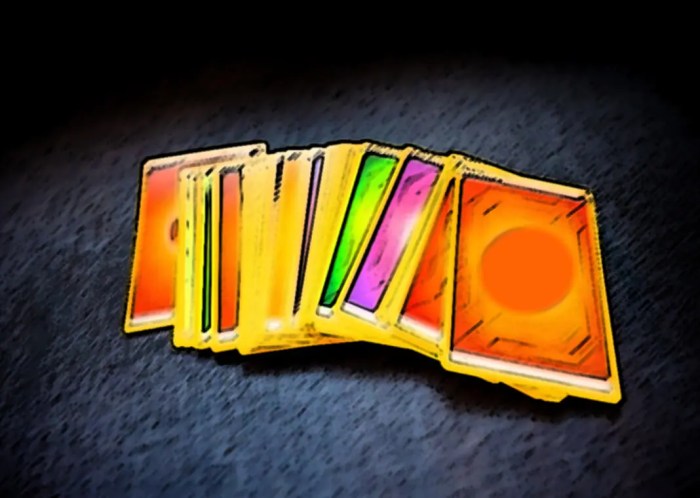
Emerging trends in the card collecting space include the rise of digital and NFT cards. These innovations are reshaping how collectors think about ownership and scarcity. Digital cards can be traded and collected in a virtual environment, while NFTs introduce a new layer of authenticity and uniqueness.Technology continues to change the landscape of collecting, making transactions faster and more transparent.
As the hobby evolves, predictions suggest that card collecting will only grow in popularity, with expanding communities and innovative trading platforms shaping its future.
Ultimate Conclusion
In conclusion, card collecting is not just about amassing items; it’s about building connections, engaging with a community, and sometimes even making a financial investment. As we look to the future, the evolution of technology and emerging trends threaten to reshape the landscape yet again. Whether you’re a long-time collector or just starting out, this hobby offers endless opportunities for exploration and enjoyment.
Essential FAQs
What is the best way to start a card collection?
Begin by setting a budget, choosing a focus (like a specific sport or genre), and researching the types of cards that interest you.
How do I determine the value of my cards?
Research online marketplaces, check price guides, and consider the card’s condition, rarity, and demand.
What storage solutions are best for preserving cards?
Use penny sleeves, top loaders, or card binders to protect cards from dust, moisture, and physical damage.
Are there any financial risks in card collecting?
Yes, market trends can fluctuate, and not all cards will appreciate in value, so it’s important to be informed before investing.
How can I connect with other collectors?
Join online forums, attend trade shows, and participate in social media groups dedicated to card collecting.